Thyroid Health: Symptoms, Causes & Natural Care Tips

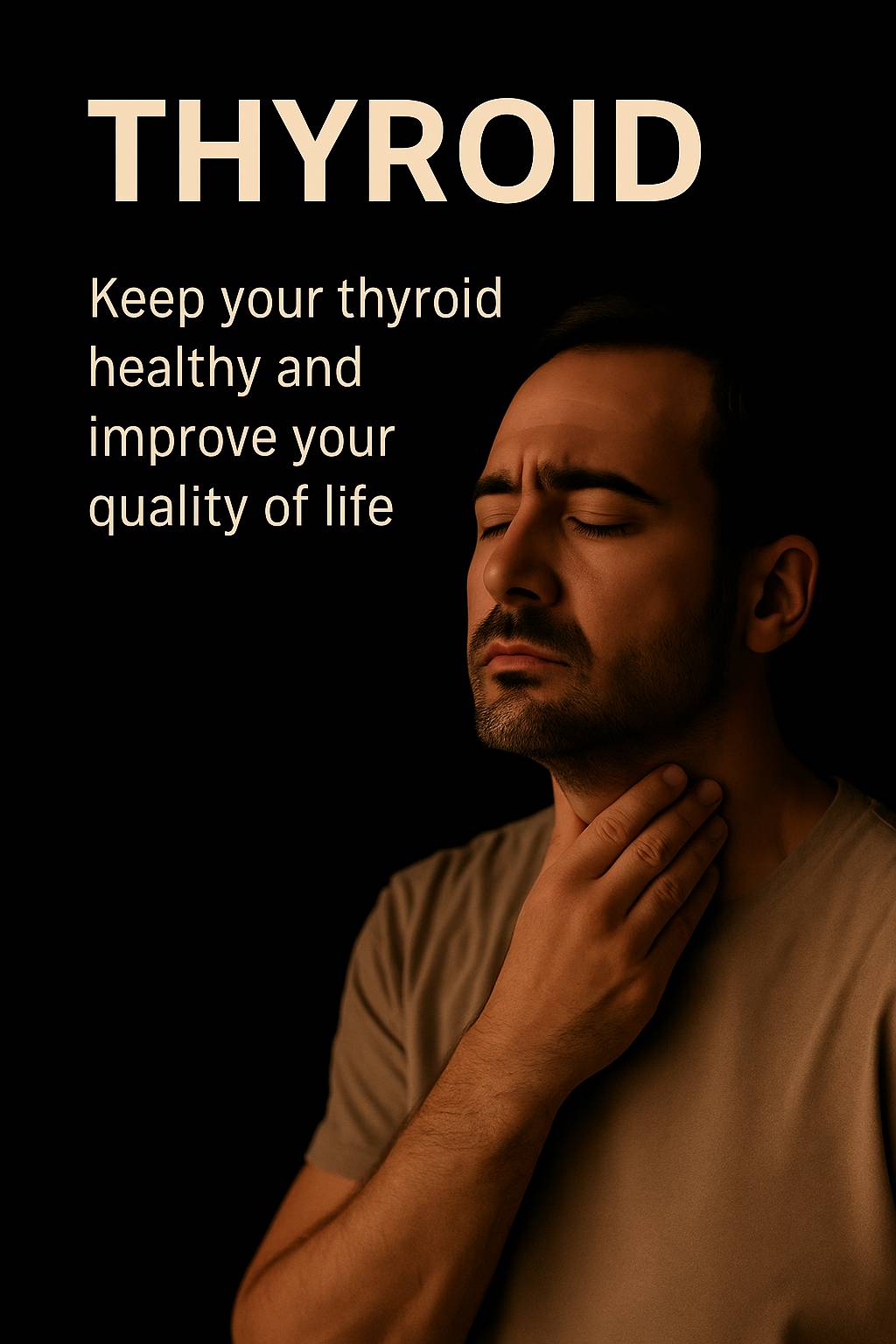
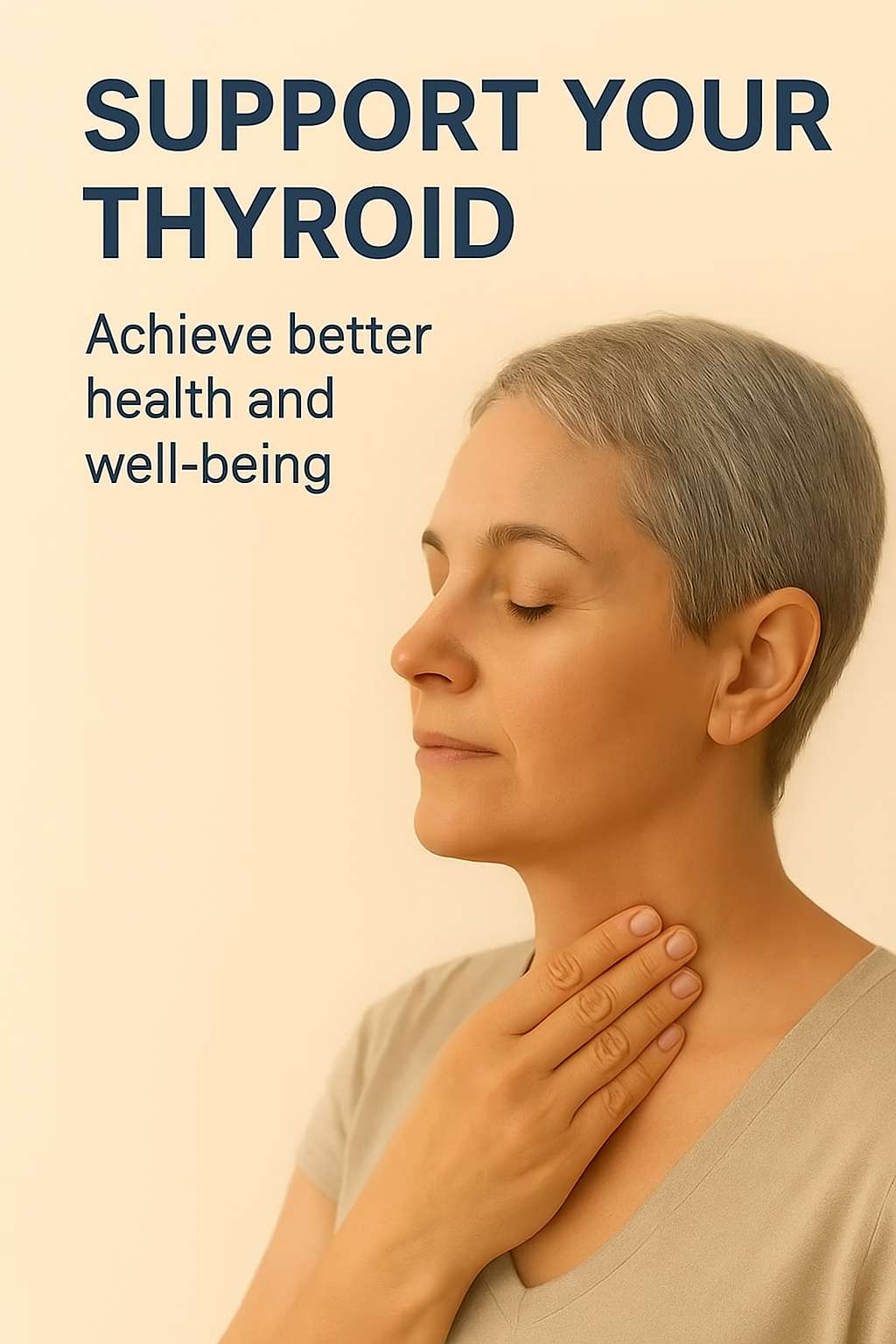
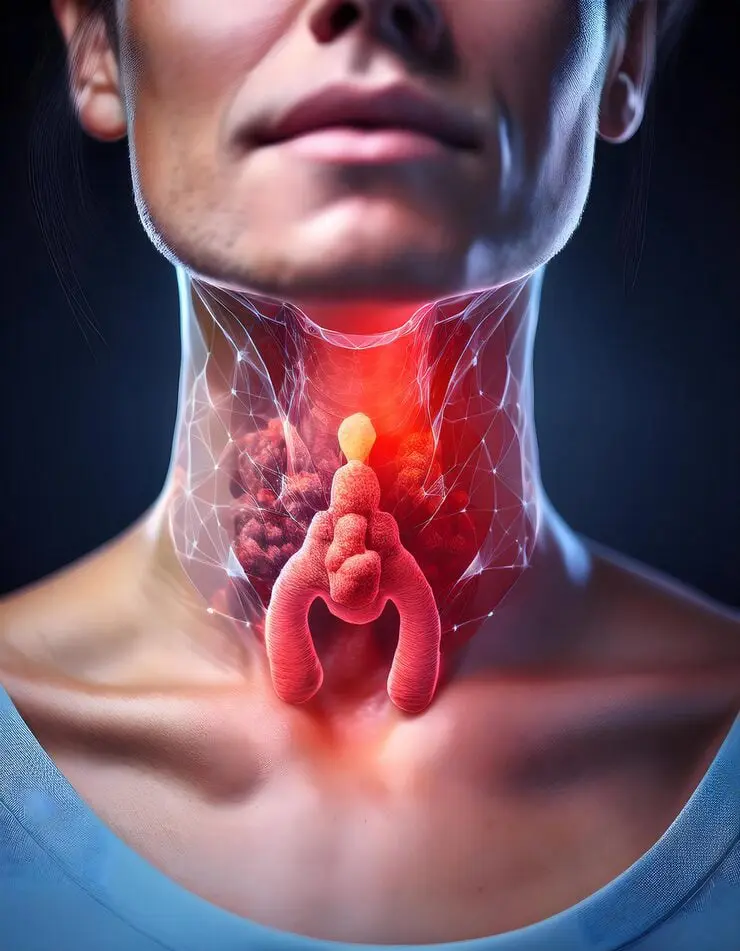
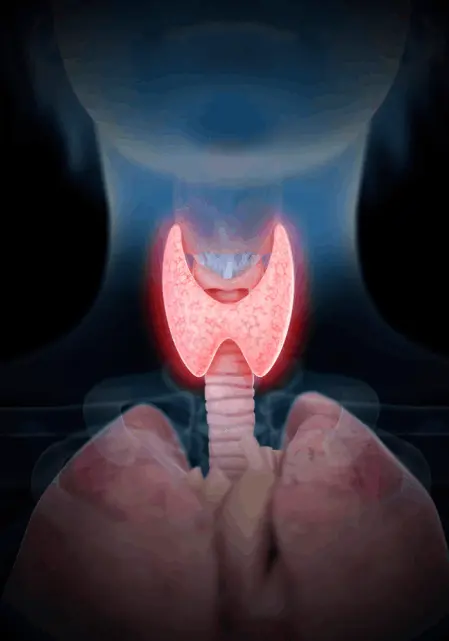
The thyroid is a small, butterfly-shaped gland located in the front of the neck that plays a vital role in maintaining overall body health. It produces essential hormones—thyroxine (T4) and triiodothyronine (T3)—that control the body’s metabolism, energy levels, heart rate, and temperature.

When the thyroid functions properly, it keeps your body active, balanced, and full of energy. However, an imbalance in thyroid hormone levels can lead to health issues like hypothyroidism (underactive thyroid) or hyperthyroidism (overactive thyroid). These conditions can affect weight, mood, and overall wellness. Maintaining a healthy thyroid through proper nutrition, stress management, and regular medical checkups is essential for long-term health. Understanding the thyroid and its functions helps in early detection of disorders and promotes a balanced lifestyle.

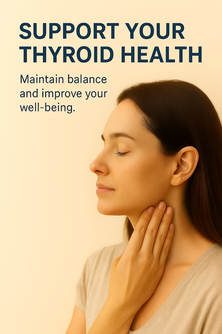
Thyroid Health
Thyroid 1
Balance Your Thyroid
Thyroid 3
Thyroid Wellness
Thyroid 2
Improve Your Thyroid
What is thyroid?

What is thyroid?

The thyroid is a small, butterfly-shaped gland located at the base of your neck, just below the Adam’s apple. It is one of the most important glands in the endocrine system, responsible for producing hormones that regulate your body’s metabolism, energy levels, and overall growth.

The two main hormones produced by the thyroid—thyroxine (T4) and triiodothyronine (T3)—control how your body uses energy from food and maintain proper function of organs like the heart, brain, and muscles.

When the thyroid is healthy, it helps keep your body active and balanced. However, if it produces too much or too little hormone, it can lead to thyroid disorders such as hypothyroidism or hyperthyroidism.

These conditions may cause fatigue, weight changes, or mood swings. Maintaining a healthy thyroid through proper diet, stress control, and regular checkups is essential for a healthy life.

Types of Thyroid Disorders

The thyroid plays a vital role in controlling metabolism and energy, but when it becomes imbalanced, various thyroid disorders can occur. These conditions affect how much hormone the gland produces and can lead to several health problems. Understanding the types of thyroid disorders helps in identifying symptoms early and managing them effectively.

1

Hypothyroidism

This occurs when the thyroid gland produces too little hormone. It slows down metabolism, leading to fatigue, weight gain, dry skin, and depression.

2

Hyperthyroidism

In this condition, the thyroid produces excess hormone, speeding up metabolism. Common symptoms include weight loss, rapid heartbeat, sweating, and anxiety.

3

Goiter

Goiter refers to the abnormal enlargement of the thyroid gland, often due to iodine deficiency or hormonal imbalance.

4

Thyroid Nodules and Cancer 

Lumps or growths in the thyroid may be benign or, in rare cases, cancerous. Early detection is key for proper treatment.

Maintaining thyroid health through regular checkups and balanced nutrition helps prevent these disorders.

Causes of Thyroid Problems

Causes of Thyroid Problems

The thyroid is a small but powerful gland that controls metabolism, energy, and overall health. When it becomes imbalanced, it can lead to various thyroid problems. Understanding the causes of thyroid problems is essential for prevention and early management.

Iodine Deficiency:
Iodine is essential for the thyroid to produce hormones. A lack of iodine in the diet can lead to hypothyroidism or goiter.

Autoimmune Diseases:
Conditions like Hashimoto’s thyroiditis or Graves’ disease occur when the immune system attacks the thyroid, causing hormone imbalances.

Hormonal Imbalance:
Changes in hormones during pregnancy, menopause, or puberty can affect thyroid function.

Genetic Factors:
Family history can increase the risk of developing thyroid disorders.

Lifestyle and Stress:
Poor diet, high stress, and lack of exercise can impact thyroid health over time.

Identifying these causes early and maintaining a healthy lifestyle can help support proper thyroid function and overall wellness.

Common Symptoms of Thyroid Disorders

The thyroid is a crucial gland that regulates metabolism, energy, and overall health. When it becomes imbalanced, it can lead to noticeable symptoms that affect daily life. Recognizing the common symptoms of thyroid disorders early can help in timely diagnosis and treatment.

  • Fatigue and Weakness: An underactive thyroid (hypothyroidism) slows down the body’s metabolism, leading to persistent fatigue, low energy, and a constant feeling of tiredness even after sufficient rest. On the other hand, an overactive thyroid (hyperthyroidism) can cause periods of high energy followed by sudden exhaustion, making it difficult to maintain a regular routine.
  • Unexplained Weight Changes: Thyroid disorders often cause significant changes in body weight. Hypothyroidism slows metabolism, which can result in gradual weight gain even without changing eating habits. Hyperthyroidism accelerates metabolism, leading to rapid weight loss despite normal or increased food intake.
  • Mood Swings and Mental Health Issues: Changes in thyroid hormone levels can directly affect brain chemistry. Hypothyroidism may cause depression, sadness, forgetfulness, and difficulty concentrating, while hyperthyroidism can trigger anxiety, irritability, nervousness, and restlessness, affecting emotional well-being.
  • Hair, Skin, and Nail Problems: Thyroid imbalances often manifest externally. Hypothyroidism can cause dry, coarse skin, hair thinning, and brittle nails, while hyperthyroidism may lead to hair loss, soft or sweaty skin, and rapid nail growth or fragility. These visible changes are often among the first signs noticed.
  • Temperature Sensitivity: People with thyroid disorders often struggle with regulating body temperature. Hypothyroidism can make you unusually sensitive to cold, causing chills and discomfort, whereas hyperthyroidism may result in heat intolerance, excessive sweating, and an inability to stay cool even in normal temperatures.
  • Heart Rate and Blood Pressure Changes: Thyroid hormones directly influence heart function. Hyperthyroidism can cause a fast or irregular heartbeat (palpitations), high blood pressure, and a feeling of a racing heart. Hypothyroidism, in contrast, may slow the heartbeat and lower blood pressure, potentially leading to dizziness or fainting in severe cases.
  • Digestive Issues: The digestive system is affected by thyroid function. Hypothyroidism often slows digestion, causing constipation, bloating, and abdominal discomfort. Hyperthyroidism increases bowel activity, resulting in frequent stools or diarrhea and sometimes nutrient malabsorption.
  • Swelling in the Neck or Goiter: Enlargement of the thyroid gland can create noticeable swelling in the front of the neck. This may cause discomfort, difficulty swallowing, or a tight feeling in the throat. Goiter can occur in both hypothyroidism and hyperthyroidism depending on the cause.
  • Sleep Disturbances: Thyroid imbalances often affect sleep patterns. Hyperthyroidism can lead to insomnia, restlessness, and difficulty falling asleep, while hypothyroidism may cause excessive sleepiness, prolonged naps, and a feeling of lethargy throughout the day.

Diet and Thyroid Health

The thyroid is a small but powerful gland that regulates metabolism, energy levels, and overall body function. Maintaining a healthy thyroid is not only about medical care but also about following a balanced diet. The right nutrition can support hormone production, improve metabolism, and prevent thyroid-related problems. Eating thyroid-friendly foods helps the gland function properly and reduces the risk of disorders such as hypothyroidism or hyperthyroidism.

Iodine-Rich Foods: Iodine is essential for producing thyroid hormones. Include foods like iodized salt, fish, dairy products, and seaweed in your diet to support healthy thyroid function.

Selenium-Rich Foods:
Selenium helps activate thyroid hormones and protects the gland from oxidative stress. Brazil nuts, eggs, sunflower seeds, and mushrooms are excellent sources.

Zinc-Rich Foods: Zinc plays a key role in hormone production and immune support. Foods like pumpkin seeds, chickpeas, and lean meats help maintain proper thyroid health.

Vitamin D and Calcium: Adequate vitamin D and calcium are important for bone health, which can be affected by thyroid imbalances. Include fortified dairy, cheese, yogurt, and sunlight exposure.

Anti-Inflammatory Foods:
Foods rich in antioxidants and anti-inflammatory compounds help reduce stress on the thyroid. Berries, leafy greens, turmeric, and green tea are beneficial.

Avoid Excess Goitrogenic Foods: Certain raw cruciferous vegetables like cabbage, broccoli, and cauliflower can interfere with thyroid hormone production when eaten in large amounts. Cooking these vegetables reduces their effect.

Limit Processed and Sugary Foods: Highly processed foods, sugar, and refined carbs can trigger inflammation and affect thyroid function. Focus on whole grains, fresh fruits, and vegetables instead.

Stay Hydrated: Proper hydration supports metabolism and overall gland function. Drinking enough water daily helps the thyroid work efficiently.

Regular Meal Timing: Eating meals at consistent times helps maintain energy levels and supports balanced hormone production, which is vital for thyroid health.

A balanced diet, combined with regular checkups and a healthy lifestyle, is key to keeping your thyroid functioning optimally and supporting overall well-being.
Diet Thyroid Health

Diagnosis and Tests

The thyroid is a small but essential gland that plays a key role in regulating metabolism, energy, and overall body function. When the thyroid is not working properly, early diagnosis is crucial for effective treatment and long-term health. Doctors use several tests and evaluations to identify thyroid disorders and determine the best course of care.

Blood Tests: Blood tests are the most common way to check thyroid function. Tests include TSH (Thyroid Stimulating Hormone), T3 (Triiodothyronine), and T4 (Thyroxine) levels. High or low readings can indicate hypothyroidism, hyperthyroidism, or other thyroid issues.

Antibody Tests: These tests detect autoimmune conditions such as Hashimoto’s thyroiditis or Graves’ disease, where the body’s immune system attacks the thyroid.

Ultrasound Imaging: An ultrasound can visualize the thyroid gland to detect nodules, cysts, or enlargement (goiter). It helps assess the structure and any abnormalities.

Radioactive Iodine Uptake Test: This test measures how well the thyroid absorbs iodine, which is necessary for hormone production. It is useful in diagnosing hyperthyroidism and determining treatment plans.

Physical Examination: Doctors often check for visible swelling, lumps, or tenderness in the neck area. Feeling the thyroid during a physical exam can reveal early signs of disorders.

Fine Needle Aspiration (FNA) Biopsy: In cases of suspicious nodules, a biopsy may be performed to rule out thyroid cancer.

Early detection through proper thyroid diagnosis and tests helps in managing symptoms, preventing complications, and maintaining overall wellness. Regular checkups and attention to symptoms are essential for a healthy thyroid.

Prevention and Self-Care Tips

The thyroid is a small but vital gland that regulates metabolism, energy, and overall body health. Keeping your thyroid healthy requires more than just medical treatment—it also depends on lifestyle choices, diet, and regular monitoring. Practicing prevention and self-care can help reduce the risk of thyroid disorders and support optimal hormone balance.

Regular Thyroid Checkups: Routine blood tests for TSH, T3, and T4 levels help detect thyroid imbalances early. Regular monitoring ensures timely treatment and prevents complications.

Balanced Diet: Include iodine-rich foods, selenium, zinc, and antioxidants in your meals. A nutrient-rich diet supports hormone production and overall thyroid function.

Manage Stress Effectively: High stress levels can affect hormone balance. Techniques like yoga, meditation, deep breathing, and mindfulness help maintain a healthy thyroid.

Stay Physically Active: Regular exercise improves metabolism, supports hormone balance, and helps maintain a healthy weight, which is essential for proper thyroid function.

Limit Goitrogenic Foods: Certain raw cruciferous vegetables in excess may interfere with thyroid hormone production. Cooking these vegetables reduces their effect.

Adequate Sleep: Proper sleep is crucial for hormone regulation. Aim for 7–8 hours of restful sleep daily to support thyroid health.

Avoid Smoking and Excess Alcohol: Smoking and heavy alcohol consumption can negatively impact thyroid function. Reducing or eliminating these habits benefits overall gland health.

Stay Hydrated: Drinking enough water supports metabolism and helps the thyroid function efficiently.
By following these thyroid prevention and self-care tips, you can maintain balanced hormone levels, prevent disorders, and promote long-term health and wellness.

Write to us with any questions
you have

FAQs About Thyroid

The thyroid is a small gland in the neck that produces hormones controlling metabolism, energy, and overall body functions. A healthy thyroid is essential for well-being.

Symptoms include fatigue, weight changes, mood swings, hair loss, dry skin, irregular heartbeat, and digestive issues. Early detection is important.

Thyroid issues can be caused by iodine deficiency, autoimmune diseases, hormonal imbalances, genetics, stress, and poor lifestyle habits.

Doctors use blood tests (TSH, T3, T4), antibody tests, ultrasound, and sometimes biopsy to detect thyroid disorders.

Hypothyroidism occurs when the thyroid produces too little hormone, slowing metabolism and causing fatigue, weight gain, and cold intolerance.

Hyperthyroidism happens when the thyroid produces too much hormone, leading to weight loss, rapid heartbeat, anxiety, and sweating.

Yes. A balanced diet with iodine, selenium, zinc, and antioxidants supports healthy thyroid function, while excessive processed foods can harm it.

Genetics can play a role. If family members have thyroid disorders, you may have a higher risk and should monitor your health regularly.

High stress can disrupt hormone balance and affect thyroid function. Managing stress through exercise, meditation, and relaxation is important.

Treatment may include medication, lifestyle changes, surgery, or radioactive iodine, depending on whether the thyroid is overactive or underactive.

Some thyroid problems can be prevented with a healthy diet, regular checkups, stress management, exercise, and avoiding smoking or excessive alcohol.

If you experience persistent fatigue, weight changes, mood swings, neck swelling, or irregular heartbeat, consult a doctor for early diagnosis and treatment.

© Copyright 2025 Thyroid. All Rights Reserved.